Explore the Benefits of Hiring a Commercial General Contractor for Smooth Construction Management
Employing a commercial general contractor can significantly alter the construction oversight procedure. The contractor's knowledge ensures that projects are meticulously planned and carried out precisely. By improving communication among all stakeholders, they foster a collaborative environment. Furthermore, their experience in effective budget management and risk mitigation plays a vital role. Yet, the full measure of their impact frequently exceeds these basics, showing profound benefits that can redefine project success.
Skill in Project Management

If a commercial general contractor has expertise in project management, they can efficiently supervise the entire construction process, making sure that timelines and budgets are adhered to. Their competence allows them to coordinate different facets of the project, from planning and scheduling to resource allocation. With a deep knowledge of construction methodologies and industry regulations, they can predict future difficulties and implement solutions proactively.
This expertise also enables them to manage subcontractors and suppliers with competence, guaranteeing everyone understands their roles and responsibilities. By utilizing project management tools and techniques, they ensure transparency of progress, allowing for timely adjustments when necessary. Their ability to analyze data and metrics guarantees that projects are not delayed, cutting down on delays and cost overruns. In the end, a contractor's project management skills contribute greatly to the overall success of construction endeavors, leading to high-quality outcomes and happy customers.
Enhanced Communication Among Stakeholders
Good communication among stakeholders is vital for the success of any commercial construction project, as it encourages cooperation and alignment on goals. A commercial general contractor acts as the pivotal point of contact between multiple entities, including architects, engineers, and clients. This unified communication strategy simplifies how information moves, ensuring that all stakeholders are kept up-to-date on the project, timelines, and potential challenges.
By holding consistent meetings and utilizing project management tools, the contractor boosts openness and reduces confusion. Stakeholders are prone to raise issues and give feedback when they feel their perspectives are valued. Furthermore, clear communication can lead to rapid issue resolution, reducing delays and setbacks.
Finally, hiring a GC enhances communication but also builds better relationships among project participants, forming a collaborative setting that is favorable for successful project outcomes.
Successful Financial Control
Effective financial control is essential for ensuring that building endeavors remain within budget limits and meet their objectives. A general contractor is instrumental in supervising and controlling project costs - Hickory top rated Commercial General Contractor. By offering comprehensive cost estimates and constant budget tracking, they are crucial in avoiding budget overruns. Competent contractors utilize their industry expertise to spot potential savings, for example, negotiating prices or improving resource distribution
Moreover, they establish comprehensive financial reporting, enabling stakeholders to track expenses carefully and decide wisely. This forward-thinking approach to budget management not only enhances accountability but also promotes openness among all involved parties. Moreover, through meticulous planning and strategic vision, general contractors can foresee financial issues and devise contingency plans, ensuring that projects remain on track financially. Finally, good budget oversight by a commercial general contractor is essential for the overall success of construction projects
Time Efficiency and Reduced Delays
Although unforeseen challenges might happen during construction projects, hiring a general contractor greatly enhances time efficiency and reduces setbacks. These professionals are highly experienced and a strong grasp of construction processes, allowing them to foresee potential problems before they worsen. Their strong connections with subcontractors and suppliers allow for rapid acquisition of materials and services, reducing wait times.
Moreover, commercial general contractors are skilled schedulers, ensuring that all project phases moves forward smoothly and according to schedule. They utilize project management tools to watch deadlines and organize tasks, which improves work processes. By resolving problems fast and promptly, they minimize non-productive periods and maintain the project's timeline. Additionally, their skill in navigating regulations prevents delays due to regulations. Ultimately, the expert management given by the contractor creates a more effective building process, allowing projects to be completed within the desired timeframe.
Quality Assurance and Oversight
Quality control and oversight are essential elements in the hiring of a general commercial contractor. Establishing strict protocols and protocols, alongside thorough review processes, makes certain that projects meet the desired specifications. Furthermore, proper handling of a skilled workforce significantly aids to maintaining high-quality outcomes across the entire project.
Rigorous Standards and Procedures
While choosing a commercial building contractor, being aware of their stringent guidelines and protocols for quality assurance and oversight is crucial. These guidelines are intended to maintain high construction quality explore the details and ensure adherence with building codes. Building firms utilize extensive procedures that detail necessary materials, workmanship, and safety measures, making certain that every aspect of the project adheres to established standards. This commitment to excellence not only minimizes errors but also lessens the chance of pricy corrections. Furthermore, contractors typically set up open reporting paths with every involved entity, encouraging partnership and transparency across the entire project duration. By adhering to these strict procedures, general commercial contractors offer reassurance, knowing that the project will be performed smoothly and to the highest standards of quality.
Consistent Inspection Processes
To ensure that construction projects meet the highest standards, general commercial contractors employ thorough examination systems as a critical component of their quality management and assurance measures. These systems require periodic evaluations at different building phases, making sure that materials, workmanship, and overall compliance with project specifications are meticulously evaluated. By adhering to predefined review timetables, contractors can identify potential issues early, reducing expensive modifications and delays. In addition, thorough checks encourage ownership among subcontractors and suppliers, as they are held to stringent quality benchmarks. This structured approach not only boosts the complete reliability of the project but also instills confidence in stakeholders, assured that their funds is underpinned by a focus on superiority during the building phase.
Expert Staff Oversight
A expert staff is essential for maintaining superior quality in construction projects, as it directly impacts quality assurance and assurance efforts. Proper administration of this staff ensures that each team member is well-trained and possesses the necessary expertise to perform their tasks efficiently. A general contractor specializing in commercial projects commonly employs rigorous hiring processes for selecting competent staff, fostering a culture of accountability and excellence. In addition, ongoing training programs enable workers to keep pace on the latest building methods and safety protocols. By implementing precise quality control measures, the contractor can evaluate execution and quickly resolve any problems, ensuring that the final output outperforms client expectations. In the end, effective personnel oversight is a cornerstone of successful construction projects.
Having a Roster of Reliable Subcontractors
Access to a network of reliable subcontractors is crucial for a commercial general contractor. Strong professional relationships permit the builder to pick competent specialists who satisfy high quality benchmarks essential for project success. This network improves overall productivity but also makes certain the output adheres to strict standards of quality.
Established Industry Connections
When navigating the complexities of a construction project, possessing robust industry ties significantly improves a contractor's ability to achieve high-quality outcomes. A commercial general contractor typically keeps up a solid base of reliable subcontractors, suppliers, and industry professionals. This network promotes smooth teamwork but also makes certain the highest skill level is available for every phase of the construction. Access to seasoned subcontractors enables the GC to pick experts who are masters of their craft, which can lead to greater productivity and excellent construction standards. Additionally, these connections enable the contractor to secure advantageous agreements and timelines, which effectively accelerates the construction process. In short, established industry connections are a key advantage that elevates project execution and client satisfaction.
Strict Performance Criteria
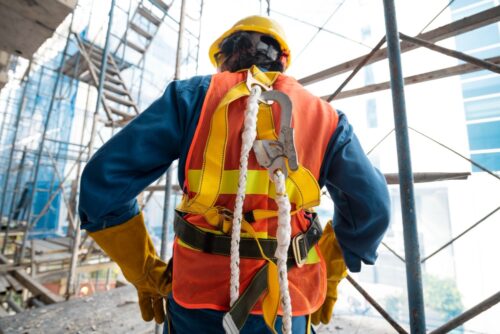
Performance monitoring protocols are critically important in the construction process, as they make certain that deliverables adhere to specified requirements and copyright excellent construction quality. A commercial general contractor provides significant oversight and oversight, making certain that construction adheres to these strict requirements. By leveraging a network of reliable subcontractors, they can select skilled professionals who excel in their respective trades, which boosts the overall quality of the project. This collaborative approach promotes responsibility among subcontractors, as they are informed of the requirements set forth by the general contractor. Moreover, periodic reviews and examinations help identify emerging issues quickly, reducing expensive hold-ups and making sure the outcome meets the standards of the client's goals and safety rules.
Addressing Hazards and Finding Solutions
Effective risk mitigation and problem solving are crucial elements in the role of a commercial general contractor, as they manage the intricate details of construction projects. By conducting thorough risk assessments, they pinpoint risks that might surface throughout the building phase, like schedule setbacks, cost increases, and safety risks.
Implementing proactive strategies, they develop contingency plans that limit setbacks and ensure the work proceeds smoothly. Should unanticipated issues surface, a capable professional acts fast, applying novel approaches to address problems without sacrificing the project's duration or excellence.
Moreover, their background permits them to foresee common pitfalls, enabling them to communicate effectively with subcontractors, suppliers, and clients to harmonize goals and address disagreements. Ultimately, a commercial general contractor’s ability to control exposure and troubleshoot boosts productivity but also ensures the project finishes successfully, promoting a safer and more regulated job site.
Common Queries
What Credentials Should I Seek in a Building Contractor?
When selecting a commercial general contractor, one should consider experience, necessary licenses and documentation, proven project management skills, effective ways of interacting, a reliable standing, and a thorough understanding of construction regulations and safety protocols.
What Is the Process for Selecting the Ideal Contractor for My Project?

In order to find the best contractor, you must assess their background, recommendations, licenses, and policy details, how they communicate, and examples of previous work, confirming they fit the unique objectives and scope of the undertaking.
Which Kinds of Jobs Do CGTs Usually Manage?
Commercial builders commonly manage many different types of jobs, such as offices, stores, storage facilities, eateries, and manufacturing plants. They oversee the building process, guaranteeing compliance with deadlines, financial limits, and high standards in multiple fields.
How Will Using a General Contractor Affect My Final Project Budget?
Employing a CGT might increase initial expenses due to management fees. Yet, their skill frequently results in better efficiency, cost savings, and fewer errors, ultimately resulting in a more economical and timely project completion.
Is a CGT Able to Assist With Permits and Regulatory Needs?
The general contractor can greatly assist with obtaining permits and handling all legal necessities (Hickory top rated Commercial General Contractor). Their expertise upholds alignment with municipal codes, lessening the possibility of costly delays and fines, thereby expediting the project execution for the project